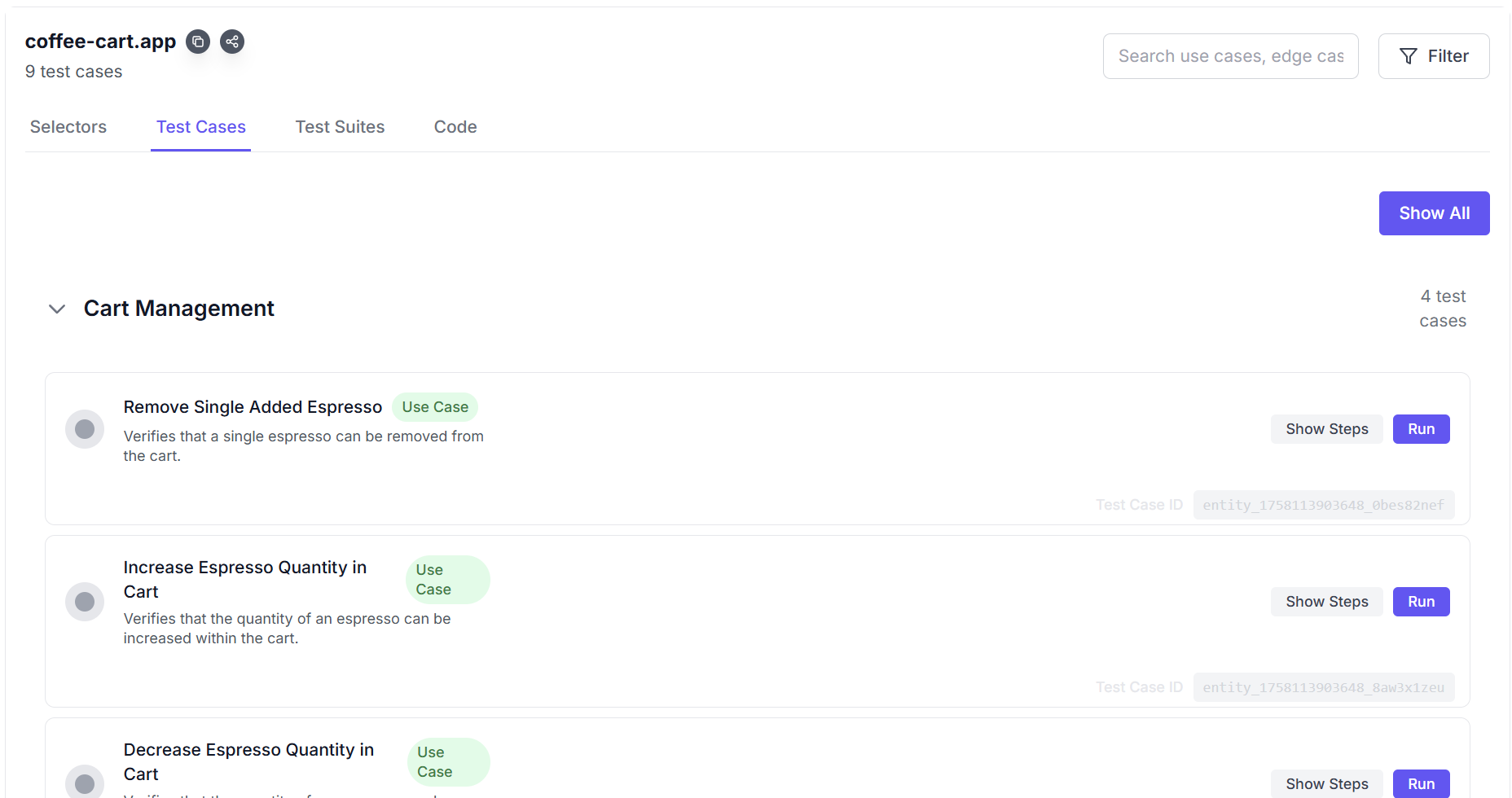

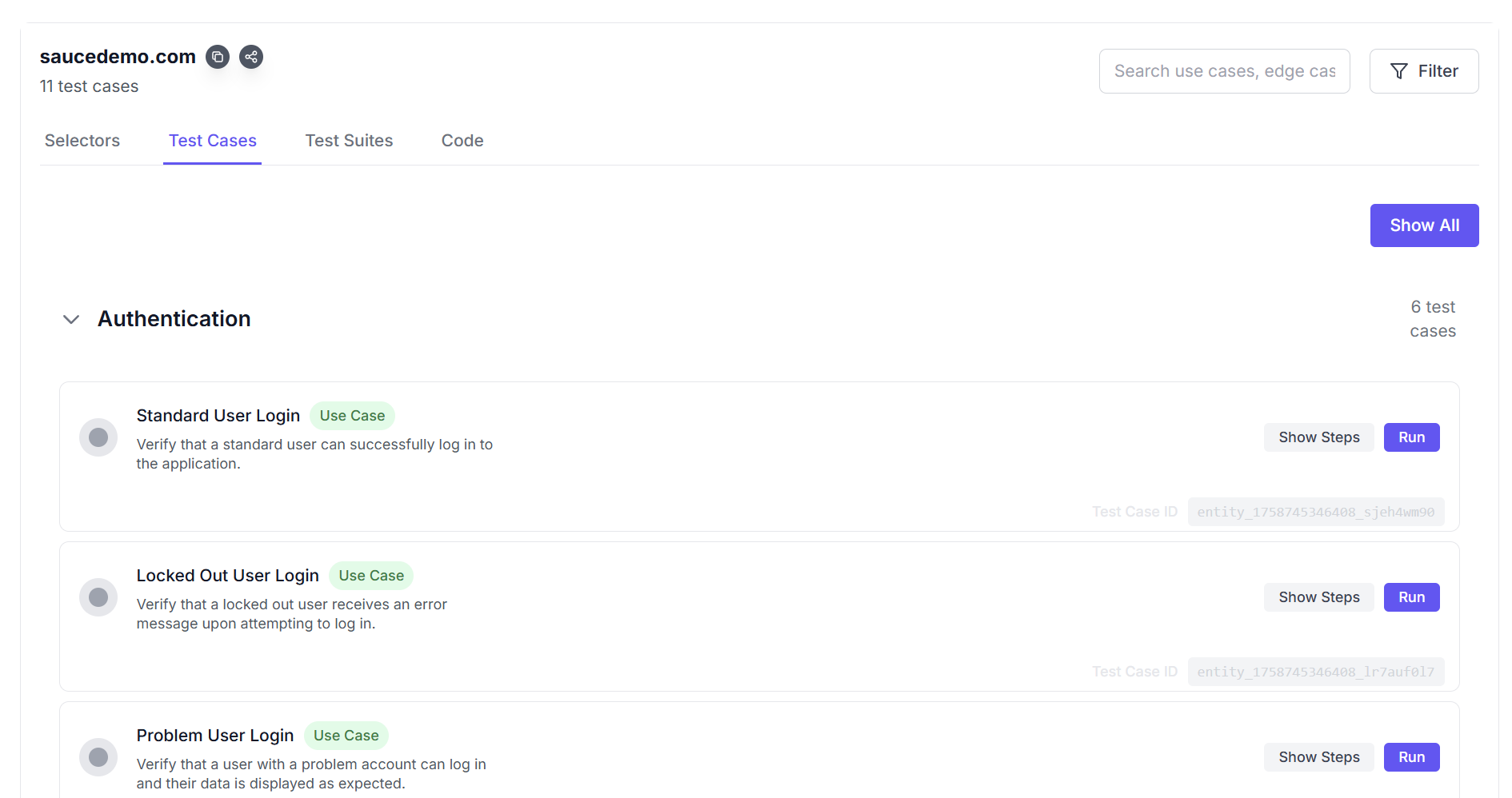
The Real Difference Between UAT and E2E Testing
We talk about testing a lot.
It's necessary.
But sometimes the names we use just confuse people.
You hear E2E (End-to-End) Testing.
You hear UAT (User Acceptance Testing).
They both test the whole system.
But their core purpose is completely different.
The difference isn't the what you test.
It's the why and the who.
TL;DR: E2E vs UAT at a Glance
| Feature | End-to-End (E2E) Testing | User Acceptance Testing (UAT) |
|---|---|---|
| Key Question | "Does it work right?" (Technical Correctness) | "Is it the right product?" (Business Value) |
| Primary Goal | Verify technical functionality and data flow across integrated components. | Verify the system meets business requirements and is ready for user adoption. |
| Who Tests | QA Engineers, Technical Testers, Developers. | Actual End Users, Clients, Product Owners, Business Stakeholders. |
| Primary Focus | System integration, technical defects, workflow integrity. | Usability, business process validation, requirement gaps. |
| Timing | After integration testing, before or in parallel with UAT. Often integrated into CI/CD. | The final stage, after E2E/System testing, just before go-live. |
| Environment | Test environment (can be slightly different from production). | UAT environment that closely mimics production. |
E2E: The Technical Sign-Off
End-to-End Testing is the Technical Sign-Off.
It asks: "Does the system work correctly from start to finish?"
It is a QA job.
The focus is on workflow integrity and technical function.
E2E makes sure data flows correctly between different services.
It proves the system is technically functional.
Most E2E tests should be automated.
You run them in the pipeline, often after every major code change.
You need speed and repeatability.
An E2E test passes if the code executes the full journey without breaking.
What E2E Catches
Integration failures: The front-end works, but the data isn't saving to the back-end service.
System integrity: A transaction completes, but the confirmation email fails to send.
Regression: A new change accidentally breaks an old, critical user flow.
UAT: The Business Reality Check
UAT (User Acceptance Testing) is the Business Sign-Off.
It asks: "Does the system solve the actual business problem for the user?"
It is a User/Stakeholder job.
The people doing the testing are the actual end users or the business process owners.
They are the experts on the process, not the code.
They run real-world scenarios, often manually, in an environment that looks exactly like production.
A UAT failure isn't a code error; it's a requirements gap.
It means the feature works technically, but it's too slow, the text is confusing, or it doesn't support a critical edge case the user needs to get their job done.
What UAT Catches
Usability issues: The button works, but it's hidden or labeled confusingly.
Workflow mismatch: The process executes, but it requires too many clicks for a common task.
Missed requirements: The report is generated, but it's missing a mandatory field needed for compliance.
The Strategic Order
You can't do UAT before E2E is stable.
It's a funnel.
- Developers write Unit and Integration Tests.
- QA runs E2E Tests to prove the full technical workflow is intact and automated.
- Users run UAT to confirm the product delivers the needed business value.
If you skip E2E and put a buggy system in front of users for UAT, you waste their time.
They will find technical errors, not business issues.
This signals a broken development process.
Only give users a stable system that is already proven to work end-to-end.
Their job is to accept it, not debug it.
Conclusion: It's About Perspective
E2E testing is a conversation between the code and the systems.
UAT is a conversation between the product and the person who needs it.
E2E asks: "Does it work right?" (Technical Correctness)
UAT asks: "Is it the right product?" (Business Value)
Both are essential.
Don't confuse the two, or you'll never truly know if you've shipped the right thing.
➡️ Start building your perfect tests (E2E and UAT included) with a free Heedbase account today!