
I've been there. I've used all the tools. For years.
The QA tools on the market are good.
Whether you are a Playwright user or a low-code user, you made a smart choice.
You got power or you got speed. Every option falls into a pattern that adds unexpected debt later.
It's not about being wrong. It's about how the tools were designed.
For years, we only had two paths. Now, we have three. Let's look at the true costs and the benefits of each.
TL;DR: The Three Paths to QA Automation
| Path | Best For | Cost | Tools | Trade-off |
|---|---|---|---|---|
| Code-First (Time Tax) | Technical teams who need full control | High setup time, maintenance overhead | Playwright, Cypress, Selenium | Maximum freedom, but you pay with time |
| No-Code/Low-Code (Lock-in Tax) | Non-technical teams who need speed | Vendor lock-in, limited flexibility | TestRail, Katalon, Tricentis | Fast setup, but you're trapped in their ecosystem |
| AI-Powered (The New Option) | Teams who want both speed and control | Learning curve, but keeps your code | AI that generates standard code (Playwright/Cypress) | Best of both worlds - fast creation, full ownership |
Bottom Line: Choose based on your team's technical skills and long-term goals. AI is changing the game by eliminating the traditional trade-offs.
Path 1: The Code-First Path (The Time Tax)
This path prioritizes maximum technical control and freedom.
The Trade-off
Benefit: Unquestionable Control. Code is yours, it integrates anywhere, and it's a rock-solid foundation.
Cost: The Time Tax. This consumes your engineering resources and stops feature velocity.
What This Path Means
You need skilled SDETs. Automation starts with a high skill requirement.
Maintenance never stops one small UI change can cost hours of fixes. You lose time fighting Flake Debt.
You secured your freedom, but it came with a huge, manual time commitment.
When this path makes sense: When your application is highly complex, requires custom code injection, and you have a large, stable team of highly skilled engineers.
Path 2: The Low-Code Path (The Lock-in Tax)
This path prioritizes team accessibility and quick coverage.
The Trade-off
Benefit: Team Accessibility and Speed. You record, you click, and you get tests done quickly. Everyone can contribute.
Cost: The Lock-in Tax. This is the operational pressure of relying on one vendor.
What This Path Means
Your assets are proprietary. You must ask: Can I export my test suite in a standard, open-source format?
If the answer is no, you are building your entire asset on rented land.
If the vendor's pricing or strategy changes, you risk losing all your work. That's a huge, unbudgeted operational risk.
You got speed now, but you guaranteed dependency later.
When this path makes sense: For small, non-critical web apps, or for teams with high turnover and no dedicated SDETs. The risk is manageable if the application isn't mission-critical.
Path 3: The Generative QA Path
This is the evolutionary path. It aims to eliminate the debt found in Path 1 and Path 2.
The Trade-off
Benefit: Ownership + Automation. Combines the best parts of the other two without the traditional debt.
Cost: Adoption and Tooling. Generative QA is new and requires justifying the cost of new SaaS tooling.
What This Path Means
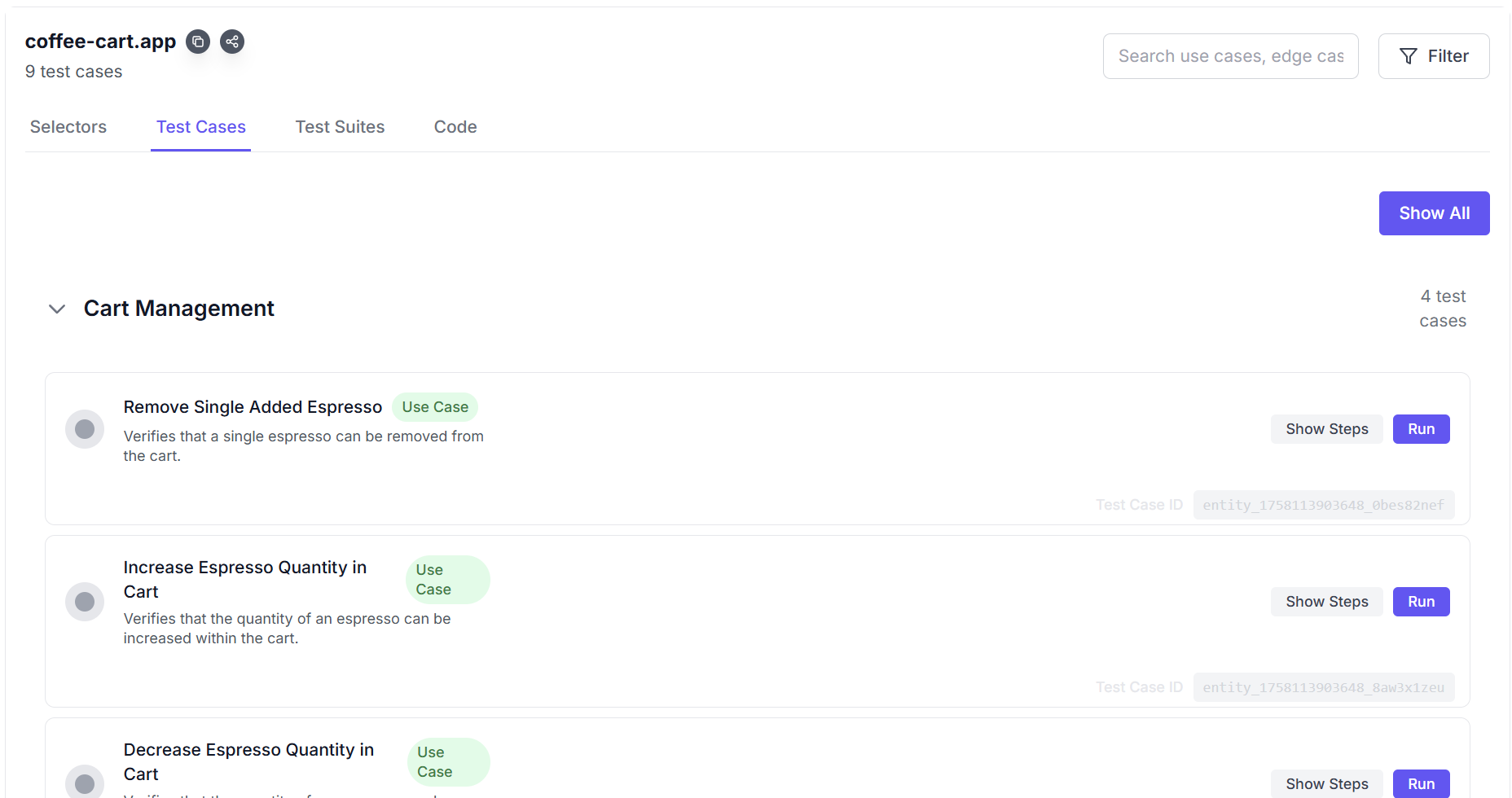
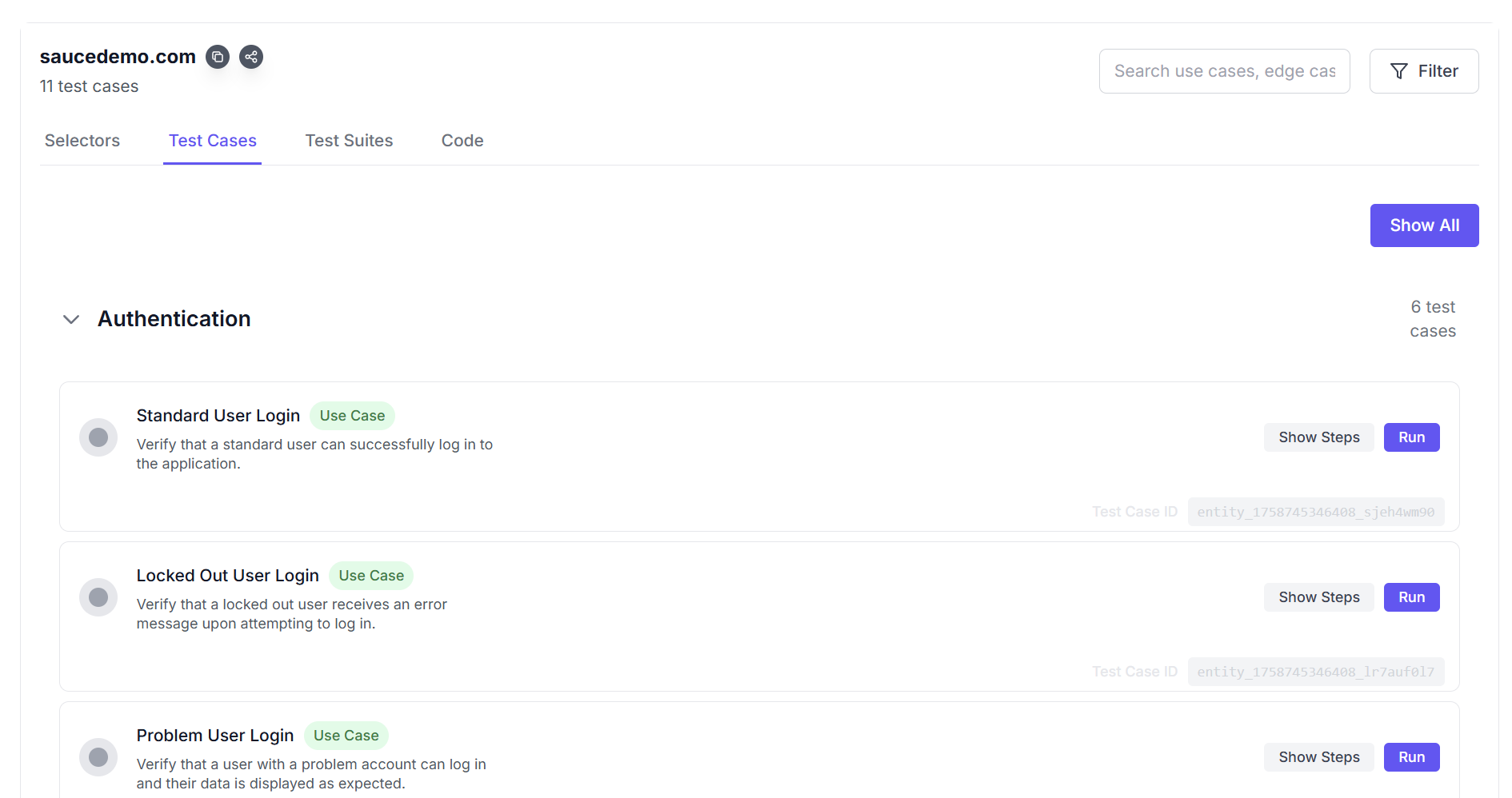
It offers Code Ownership (Playwright exports, zero lock-in) and Intelligence (AI, zero maintenance).
It is the platform built to solve your time problem and eliminate your risk.
It eliminates the Time Tax: Generative AI writes the tests and self-maintains the scripts. Your engineers focus only on new features.
It eliminates the Lock-in Tax: It generates clean, standard Playwright code. You own your tests forever.
When this path makes sense: When your application is growing fast, your time spent on maintenance exceeds 30%, and you need to use your expensive engineers for new feature work, not fixing broken selectors.
Final Advice: Choose Your Cost
Every tool has a cost. Your job is to decide which type of cost your business is better equipped to handle:
Time (Path 1): If you have unlimited skilled engineers.
Risk (Path 2): If your apps are simple and non-critical.
Tooling (Path 3): If your time is valuable and you need to scale fast while owning your code.
It's time to stop making the same old compromises. It's time to start choosing the path that pays you back.
➡️ See how Heedbase compares against your current tool. Try it for free today.