
The Big Question: What Does AI Mean for Your Job?
We see news about AI every day.
It feels like a big change is coming to testing.
Everyone is asking the same question.
Will this new tech, the one that learns fast, take my job?
Is AI ready for QA right now?
The hype around AI makes the worry worse.
It creates a fear that a hidden, powerful machine will take over.
This is the fear of the black box.
My view is simple.
The fear is real because the solutions are often confusing.
You don't need to be afraid.
You need a clear plan.
TL;DR: AI Won't Replace You, But You Need to Adapt
| Key Point | Action |
|---|---|
| The Reality | AI automates boring tasks, not strategic thinking |
| Your New Role | Focus on business logic, complex edge cases, and quality strategy |
| Demand Transparency | Only use AI tools that show you the actual code |
| Own Your Code | Everything should be exportable in standard formats (Playwright, Cypress) |
| Raise Your Game | Stop writing every line of automation, start planning what needs testing |
| Bottom Line | AI is your helper, not your replacement. Use it to eliminate tedious work so you can focus on what only humans can do |
Let's look at the three biggest worries and solve them simply.
The Three Things Testers Worry About (And Our Simple Fixes)
We don't worry about world problems.
We worry about finishing work on time and keeping our skills valuable.
So these are practical worries that matter most.
Worry #1: AI Will End My Job
This is the loudest fear we hear.
"If AI writes the tests, why do we need human testers?"
It sounds like a great deal to a business person, but it's wrong.
The Simple Fact:
AI automates some of the work.
It generally does the work that makes you tired and frustrated.
It helps you update tests when small things change automatically.
It lets you become the quality planner.
AI cannot replace your knowledge of the business.
It cannot replace your common sense for the user journey.
You must focus on the big ideas and the complex edge cases.
The AI is simply your helper for the small details.
Worry #2: I Can't Trust the Machine's Code
Many AI tools feel like magic.
You put in a request, and code comes out fast.
But what if the code is wrong?
If the test fails, how do you debug a system you can't see inside?
If the tool does not show its steps, you cannot trust it.
Trust needs clarity every single time.
The Solution: Open Code
You need clear AI.
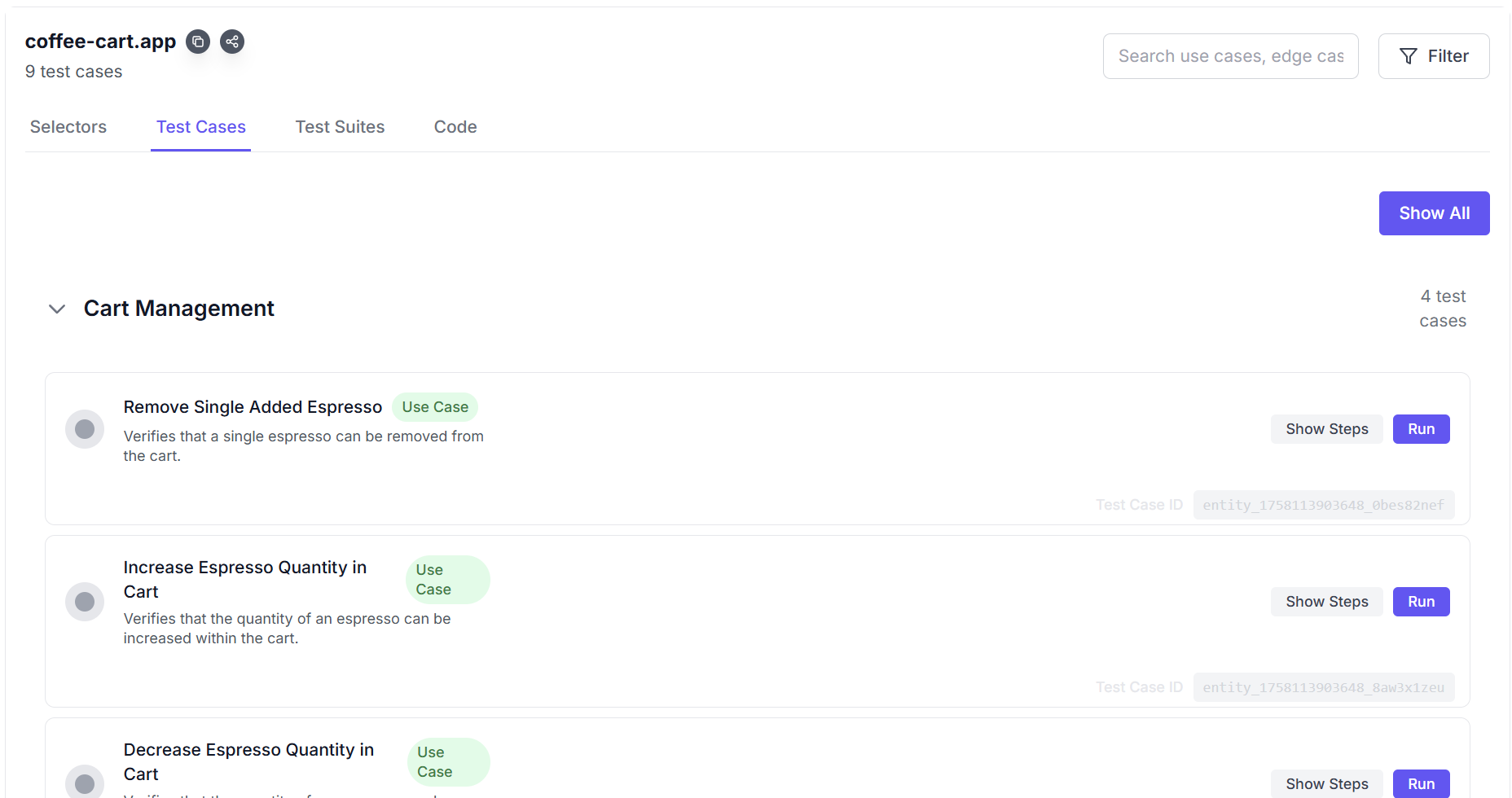
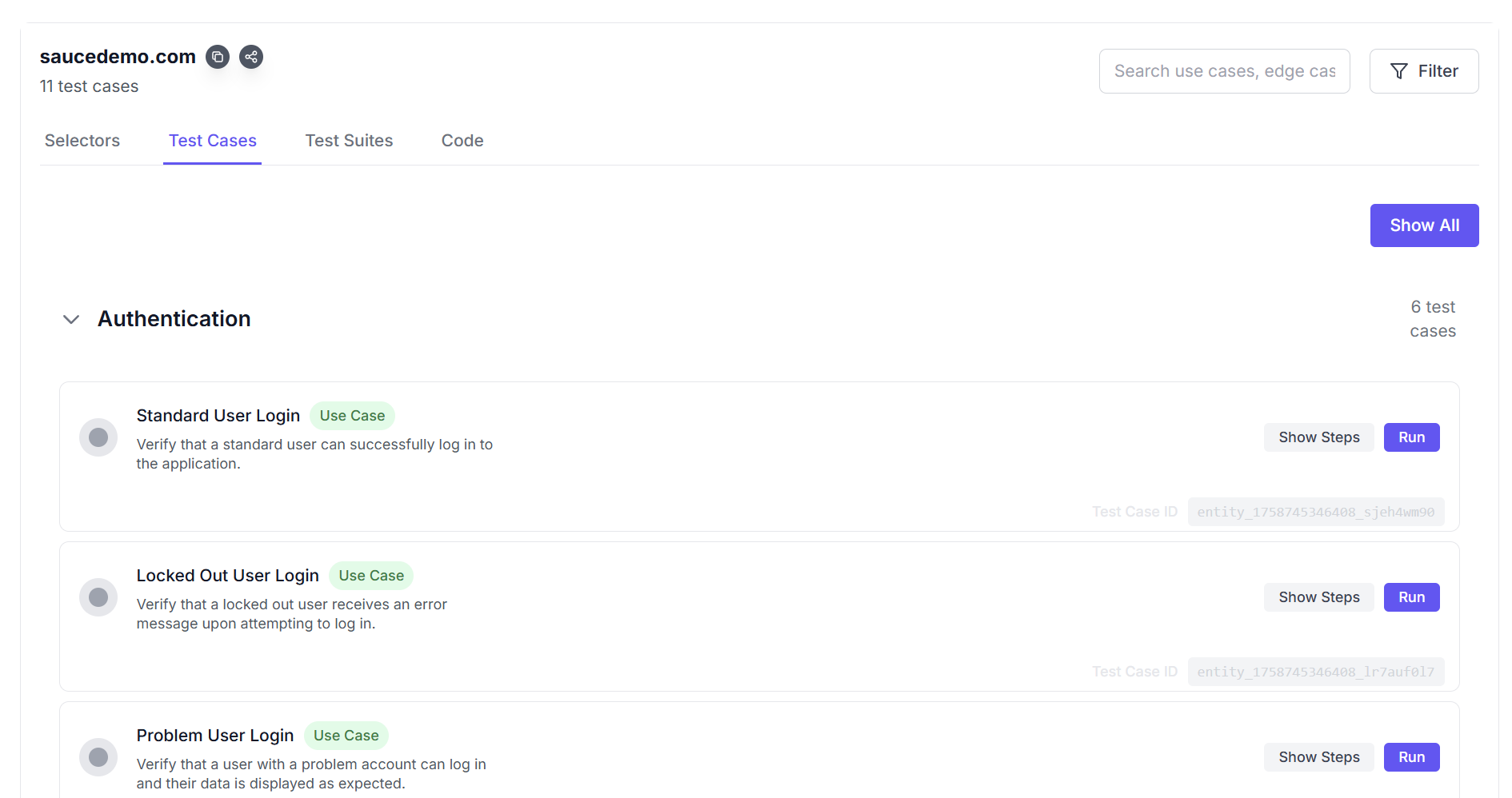
Any test script or selector the AI makes must be readable code.
It needs to be standard, normal code that you can check and change yourself.
If you cannot read the automation code, you cannot own the result.
We need tools that give us confidence and full visibility.
Worry #3: The Tool Will Trap My Work
This is the long-term trap that affects budgets and careers.
You start using a new, fast tool today.
Later, all your test files are stuck in that one company's proprietary system.
If they raise the price, or if the vendor changes direction, your work is a headache.
This vendor lock-in is a huge problem.
The Solution: Free Your Code
You must always own your core work.
The best tools let you export everything easily and quickly.
They need to use open formats like Playwright or Cypress.
A tool can be easy to use (No-Code) but still give you the actual code for flexibility.
You need the freedom to leave the tool and take your work with you if needed.
The Way Forward: Principles for the Ideal AI Tool
My personal goal has always been to see tools built around the tester's control and confidence.
This is what the future of testing should look like.
Testing should offer simplicity and power, never force a tradeoff.
The tool should give every user two powerful ways to work.
It should start instantly, requiring no long setup time.
It must never trap your work in a proprietary format.
Your test assets must be exportable as standard code, no exceptions.
The intelligence should be right there, ready to help you instantly.
It should handle technical details automatically, freeing your mind for complex logic.
This is the new standard we should all demand from the market.
Action Plan: How to Win with AI in QA
The path forward isn't fighting this technology.
It's asking for better solutions and improving your strategic skills.
Change Your Job Focus
Stop focusing on how to write every line of automation code.
Start focusing on what 10 important user paths need testing right now.
Let the machine write the code and keep it running smoothly.
You focus on the big quality picture and the business rules that only a human knows.
Your value is in your critical thinking, not your typing speed.
Demand Code Ownership
When you look at any new AI tool, demand this one thing: full, clean code exportability.
If the company is secretive, it's a bad sign.
If you can't verify the code yourself, it is too risky for production-critical work.
Openness is how we build long-term trust in new technology.
Look for Seamless Integration
A truly smart AI tool should fit into your existing team processes immediately.
It must be easy to connect to your current CI/CD pipeline.
It should work well with tools like Jira and GitHub.
It should not ask you to change your entire company's workflow just to use its features.
Conclusion: Less Fear, More Smart Testing
The future of QA is not AI against the human.
It is AI for the human worker.
The goal is to eliminate the painful, boring parts of testing so you can do your best work.
We all want to feel in control and confident.
So focus on these simple principles.
Demand transparency, own your code, and raise your strategic game.
Call-to-Action: What is the first boring, repetitive task you are going to hand off to an AI tool this week?
➡️ Start building your perfect tests with AI assistance and full code ownership with a free Heedbase account today!