
3 Real QA Problems: What 50 Testers Taught Me
I spend a lot of time talking to quality experts.
I recently spoke to 50 manual QA engineers.
These are the people who actually click, test, and find the bugs.
They are the experts at breaking software.
They all share the same goal: high-quality software that just works.
But they also face the same three big roadblocks every week.
These problems are not about tools or skill.
They are about the simple way we share knowledge and spend our time.
Let's look at what is truly hurting quality work today.
TL;DR: The Three Core QA Problems
| Problem | Impact | Solution |
|---|---|---|
| Zero-Information Handoff | QA spends hours discovering what to test instead of actually testing | Include change summary, impact, and core test paths in handoff |
| Waiting for Small Fixes | 30-second fixes turn into 30-minute re-test waits | Instant test setups that only test what actually changed |
| Pointless Repeating | QA becomes a checklist checker instead of a problem finder | Automate regression testing to free up creative thinking |
Bottom Line: Start by fixing repetition (Problem 3) - it's the biggest time killer and the easiest to solve with automation.
The Big Problem 1: The Zero-Information Handoff
This is the biggest energy drain for manual QA engineers.
The developer finishes the work.
They change the status to "Ready for QA."
But that is often the only information the tester gets.
The ticket might just say, "Update the checkout logic."
The QA has to guess:
What changed? Was it the shipping fee or the address form?
What is the risk? Does this change touch old, fragile parts of the system?
What should I check first? What are the key steps the developer ran to test it?
The developer knows these answers instantly.
They spent days in the code and know exactly what might break.
But they hand over a blank slate.
This forces the QA to spend hours on discovery figuring out what to test before they can do any actual testing.
This is a complete waste of the tester's sharp mind.
The Fix: The handoff must automatically include a small, simple summary of the change, the impact, and the core paths the developer ran to check their own work.
The Big Problem 2: Waiting for Small Fixes
This problem absolutely kills speed and morale.
A developer makes a tiny code fix maybe a button color or a missing text label.
The code change takes 30 seconds.
But now, the QA has to wait.
They have to pull the latest version of the app.
They have to restart the whole program locally.
They run all the important tests again, just to check that one tiny fix.
This waiting and setup can take half an hour or more.
A 30-second fix turns into a 30-minute re-test wait.
QA engineers feel trapped spending more time waiting for the machine than actually testing.
This delay slows down the whole team and the release timeline.
The Fix: We need test setups that are ready instantly and only test the small parts that actually changed.
The Big Problem 3: Pointless Repeating
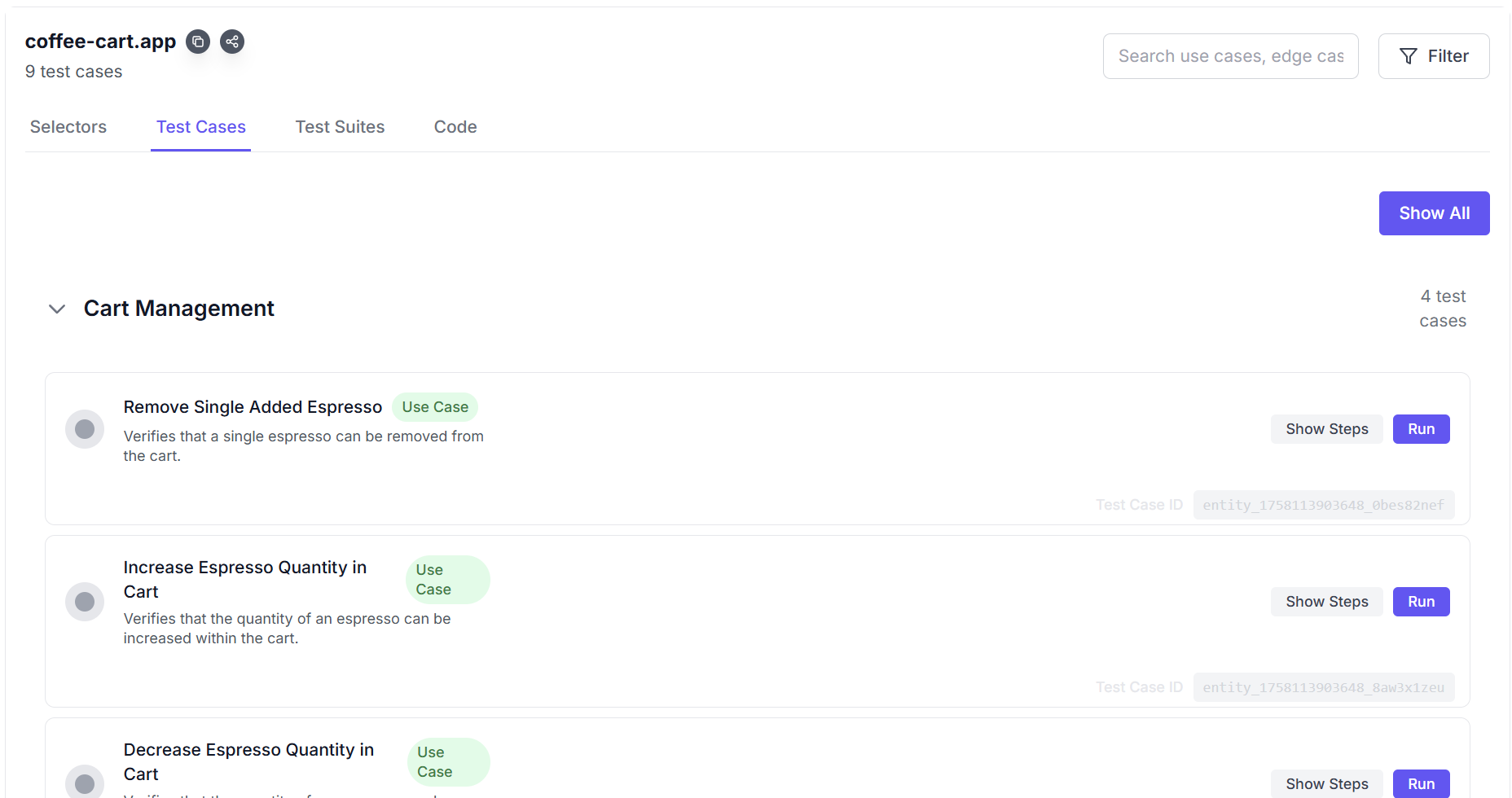
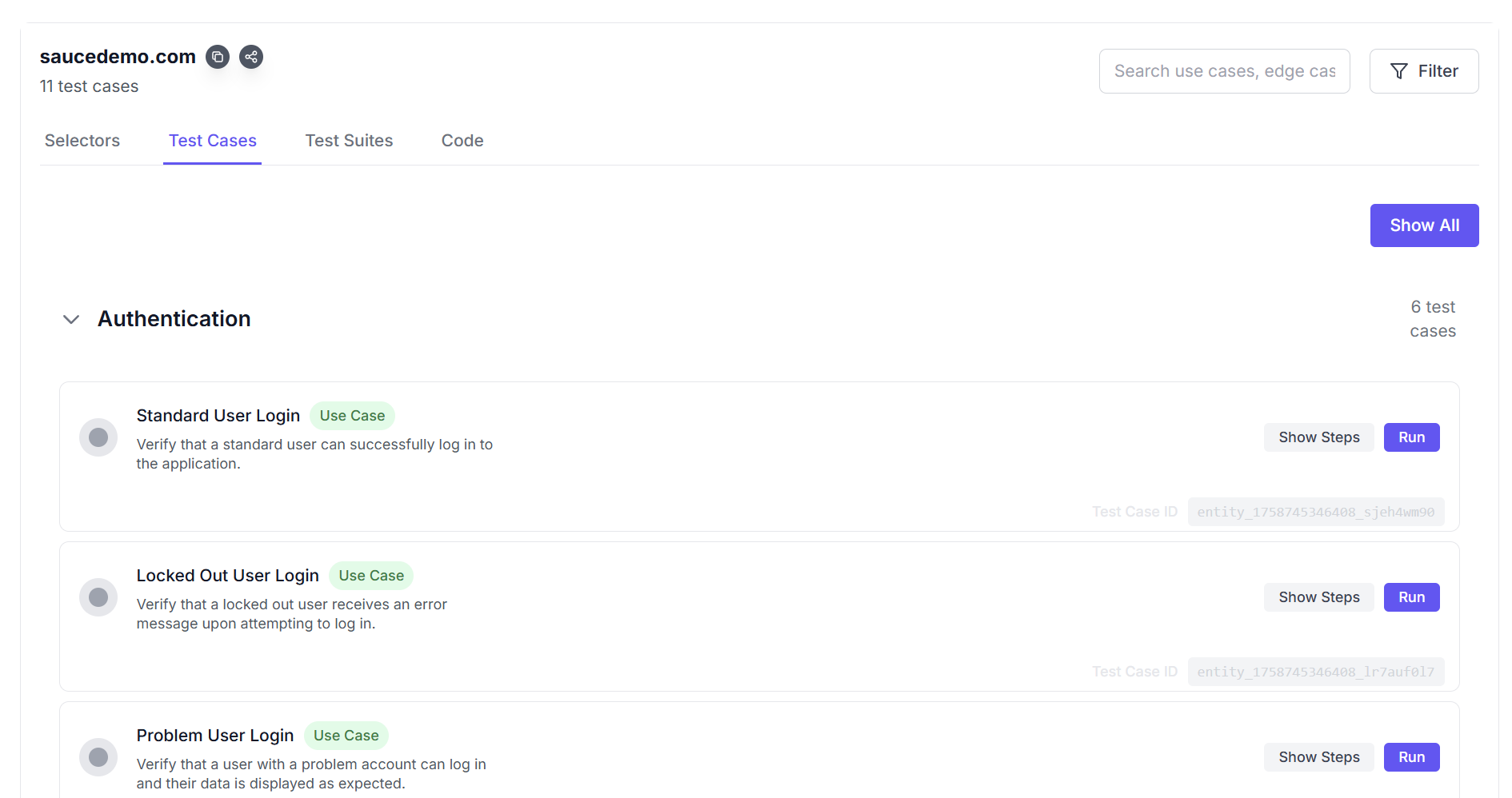
Repeating the same checks over and over is exhausting.
Every QA knows they have to do regression testing.
This means checking the most important parts of the app login, sign-up, checkout for every single new release.
This work is very important.
But it should not be done by a person.
This type of repeating work sucks the energy and focus out of the engineer.
They stop looking for creative, tricky problems and become a boring checklist checker.
We are wasting the expert's best skill: their ability to think, plan, and find new, complex ways to break the software.
Conclusion: Choosing the Starting Fight
I heard these three problems too many times.
The problems of context loss (Problem 1) and slow waiting (Problem 2) are hard to solve.
They touch deep parts of how teams work and how code is structured.
I think about them sometimes, and the answers are not simple right now.
But the biggest time killer, the most wasteful job, is the pointless repeating of tests (Problem 3).
Why is it the biggest killer? Because it's the one we can automate.
You put the effort from time to time, and the machine keeps that work forever.
It is a permanent fix for a repeating problem.
I made the choice to start by fixing this biggest, most wasteful step.
By solving repetition, we free up the QA to spend their time thinking about problems 1 and 2, which are the true strategic questions.
It's a huge step forward to solve even one of these core problems.
That's where I started, and that is a great place to be.
➡️ Start solving the repetition problem with automated testing and a free Heedbase account today!